




How to adjust the speed of a balancing vehicle motor?
 Aug 05, 2025|
 Hey there! As a supplier of balancing vehicle motors, I often get asked about how to adjust the speed of these motors. It's a crucial aspect for many users, whether they're looking for a leisurely ride or a bit more of a thrill. So, in this blog, I'll break down the steps and share some tips on adjusting the speed of a balancing vehicle motor.
Understanding the Basics of Balancing Vehicle Motors
Before we dive into the speed adjustment process, let's quickly go over what makes a balancing vehicle motor tick. These motors are typically electric and are designed to provide the power needed to keep the vehicle balanced and moving. They come in different sizes, voltages, and power ratings, depending on the specific requirements of the balancing vehicle.
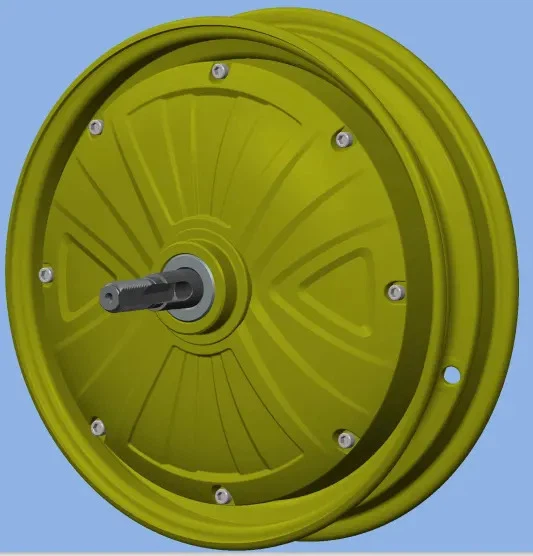
For example, we offer a Light Weight Electric DC Hub Motor 48v that's perfect for those looking for a lightweight and efficient option. It's a popular choice among balancing vehicle enthusiasts due to its compact design and reliable performance.
Another option is our 135mm 36 Holes Electric Bike Motors - RH. This motor is known for its durability and power, making it suitable for more heavy-duty balancing vehicles.
And if you're looking for something with a bit more style, our 17 Inch Aluminum Wheel Hub Motor is a great choice. It not only provides excellent performance but also adds a touch of elegance to your balancing vehicle.
Factors Affecting Motor Speed
There are several factors that can affect the speed of a balancing vehicle motor. Understanding these factors is essential for making the right adjustments. Here are some of the key ones:
Voltage
The voltage supplied to the motor plays a significant role in determining its speed. Generally, a higher voltage will result in a higher motor speed. However, it's important to note that increasing the voltage beyond the motor's rated voltage can cause damage to the motor and other components.
Controller Settings
The motor controller is responsible for regulating the power supplied to the motor. It allows you to adjust various parameters, including the speed. Most controllers come with pre-set speed limits, but you can often customize these settings to suit your needs.
Load
The load on the motor, which includes the weight of the rider and any additional cargo, can also affect the speed. A heavier load will require more power from the motor, which may result in a lower speed.
Gear Ratio
If your balancing vehicle has a gear system, the gear ratio can impact the motor speed. A higher gear ratio will generally result in a higher speed, but it may also require more torque from the motor.
Steps to Adjust the Speed of a Balancing Vehicle Motor
Now that we've covered the basics, let's get into the actual process of adjusting the speed of a balancing vehicle motor. Here are the steps you can follow:
Step 1: Check the Motor and Controller Compatibility
Before making any adjustments, it's crucial to ensure that your motor and controller are compatible. Using an incompatible controller can lead to poor performance or even damage to the motor. Refer to the manufacturer's specifications to confirm compatibility.
Step 2: Locate the Motor Controller
The motor controller is usually located near the motor or in a control box on the balancing vehicle. It's a small device with wires connected to the motor and other components.
Step 3: Access the Controller Settings
Most motor controllers have a programming port or a set of buttons that allow you to access the settings. Refer to the controller's user manual for instructions on how to access the settings.
Step 4: Adjust the Speed Limit
Once you've accessed the controller settings, look for the speed limit option. This is usually represented by a percentage or a specific speed value. You can increase or decrease the speed limit to adjust the motor speed.
Step 5: Test the Adjustment
After making the adjustment, test the balancing vehicle to see how it performs. Start slowly and gradually increase the speed to ensure that the motor and controller are functioning properly. If you notice any issues, such as abnormal noises or vibrations, stop immediately and recheck the settings.
Tips for Safe Speed Adjustment
Adjusting the speed of a balancing vehicle motor can be a bit tricky, so it's important to take some precautions to ensure your safety. Here are some tips:
Read the Manual
Before making any adjustments, thoroughly read the motor and controller user manuals. This will help you understand the proper procedures and avoid any potential risks.

Start with Small Adjustments
It's always a good idea to start with small adjustments and gradually increase the speed. This will allow you to monitor the motor's performance and make any necessary corrections.
Wear Protective Gear
When testing the adjusted speed, always wear appropriate protective gear, such as a helmet, knee pads, and elbow pads. This will help protect you in case of an accident.
Seek Professional Help
If you're unsure about how to adjust the speed or if you encounter any problems, it's best to seek professional help. A qualified technician can assist you in making the necessary adjustments and ensure that your balancing vehicle is safe to use.
Conclusion
Adjusting the speed of a balancing vehicle motor is an important skill that can enhance your riding experience. By understanding the factors that affect motor speed and following the proper procedures, you can safely and effectively adjust the speed to suit your needs.
If you're in the market for a high-quality balancing vehicle motor, look no further. As a leading supplier, we offer a wide range of motors to meet your specific requirements. Whether you're looking for a lightweight option or a powerful motor for heavy-duty use, we've got you covered.
If you have any questions or would like to discuss your motor needs, feel free to reach out. We're here to help you find the perfect motor for your balancing vehicle and provide you with the support you need.
References
- Manufacturer's user manuals for balancing vehicle motors and controllers
- Industry standards and best practices for electric motor speed adjustment