




What is the speed regulation range of a balancing vehicle motor?
 Sep 24, 2025|
 Hey there! As a supplier of balancing vehicle motors, I often get asked about the speed regulation range of these motors. It's a crucial topic, especially for those in the business of making or using balancing vehicles. So, let's dive right into it.
First off, what exactly is the speed regulation range? Well, it's the span within which the motor's speed can be adjusted. This range is super important because it determines how versatile and useful the balancing vehicle is. For example, a wider speed regulation range means the vehicle can be used in different scenarios, like slow - paced indoor maneuvers or high - speed outdoor rides.
The speed regulation range of a balancing vehicle motor can vary quite a bit. It depends on several factors, such as the motor's design, power rating, and the type of control system it uses.
Factors Affecting Speed Regulation Range
Motor Design
The internal structure of the motor plays a huge role. Motors with different winding configurations can have different speed characteristics. For instance, a motor with a more complex winding pattern might be able to achieve a wider speed regulation range. This is because the way the coils are wound affects how the magnetic fields interact, which in turn impacts the motor's speed.
Power Rating
Power is another key factor. Generally, higher - power motors tend to have a wider speed regulation range. A more powerful motor can handle different loads and speeds more effectively. For example, a 500W motor might be able to go from a very slow crawl to a relatively high speed compared to a 250W motor. But it's not just about the raw power; the efficiency of the motor also matters. A more efficient motor can maintain a stable speed across a wider range.
Control System
The control system is like the brain of the motor. It decides how much power is sent to the motor at any given time. There are different types of control systems, such as pulse - width modulation (PWM) controllers. These controllers can adjust the power supply to the motor in very small increments, allowing for precise speed control. A high - quality control system can significantly increase the speed regulation range of the motor.
Typical Speed Regulation Ranges
In the market, the speed regulation range of balancing vehicle motors can vary widely. For small, low - power motors used in kids' balancing vehicles, the range might be from 0 to 10 km/h. These motors are designed for safety and ease of use, so they don't need to go very fast.
On the other hand, high - performance motors used in adult balancing vehicles can have a range from 0 to 30 km/h or even more. These motors are built for speed and are often used in sports - oriented or long - distance balancing vehicles.
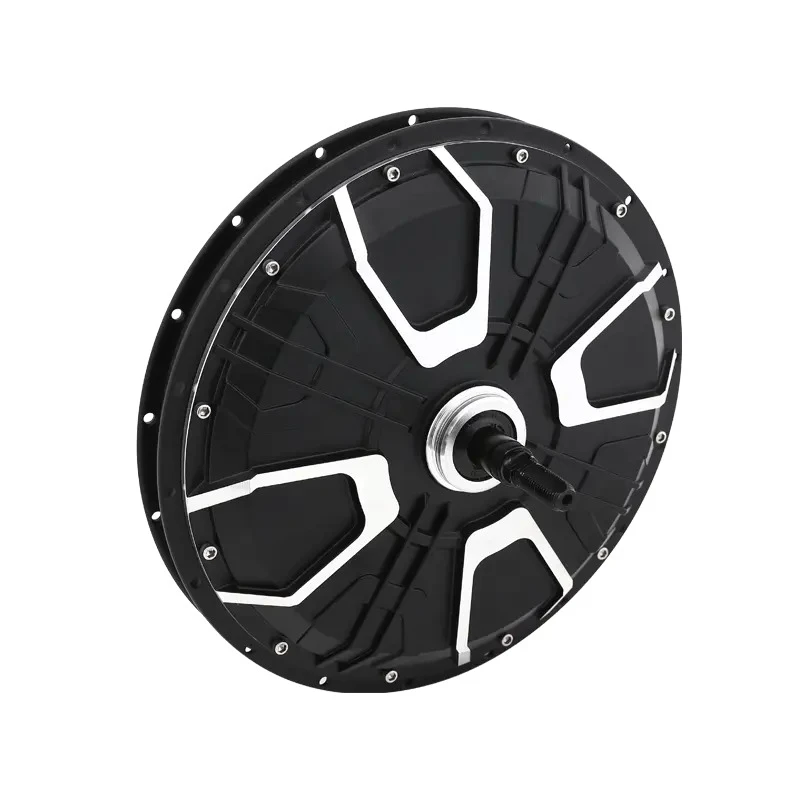

Let's talk about some of the products we offer. We have the 14 Inch National Standard Electric Bicycle Motor. This motor has a decent speed regulation range that makes it suitable for both city commuting and short - distance rides. It can easily adjust its speed according to the road conditions and the rider's needs.
Another great product is the 14 Inch National Standard Electric Vehicle Motor. This motor is more powerful and has a wider speed regulation range. It's perfect for those who want a bit more speed and performance from their balancing vehicle.
And then there's our 250W - 500W Aluminum Wheel Electric Bicycle Motors. These motors come in different power ratings, which means they have different speed regulation ranges. The 250W motor is great for a more relaxed ride, while the 500W motor can really get you moving.
Importance of Speed Regulation Range
The speed regulation range is not just about going fast or slow. It has several practical implications.
Safety
A wide speed regulation range allows riders to adjust the speed according to the situation. For example, when riding in a crowded area, the rider can slow down to a safe speed. On the other hand, when on an open road, they can increase the speed for a more efficient journey.
Efficiency
By being able to adjust the speed precisely, the motor can operate at its most efficient point. This means less energy is wasted, and the battery life of the balancing vehicle can be extended.
Versatility
A motor with a wide speed regulation range makes the balancing vehicle more versatile. It can be used for different purposes, such as commuting, leisure riding, or even for some light - duty transportation.
How to Choose the Right Motor Based on Speed Regulation Range
When choosing a balancing vehicle motor, you need to consider your specific needs. If you're using the vehicle mainly for short trips in the city, a motor with a lower speed regulation range might be sufficient. But if you plan to use it for longer distances or in different terrains, you'll need a motor with a wider range.
Also, think about the power requirements. If you're a heavier rider or if you'll be carrying a lot of cargo, a more powerful motor with a wider speed regulation range will be necessary.
Conclusion
In conclusion, the speed regulation range of a balancing vehicle motor is determined by multiple factors, including motor design, power rating, and the control system. It's an important aspect that affects the safety, efficiency, and versatility of the balancing vehicle.
If you're in the market for a balancing vehicle motor, we have a great selection to choose from. Whether you need a motor for a kids' vehicle or a high - performance adult model, we've got you covered. If you're interested in learning more or want to discuss your specific requirements, feel free to reach out. We're here to help you find the perfect motor for your balancing vehicle.
References
- "Electric Motor Handbook" - A comprehensive guide on electric motor design and operation.
- Industry reports on balancing vehicle technology and motor performance.